AI Unlocked: The Ultimate Guide to the Future of Intelligence
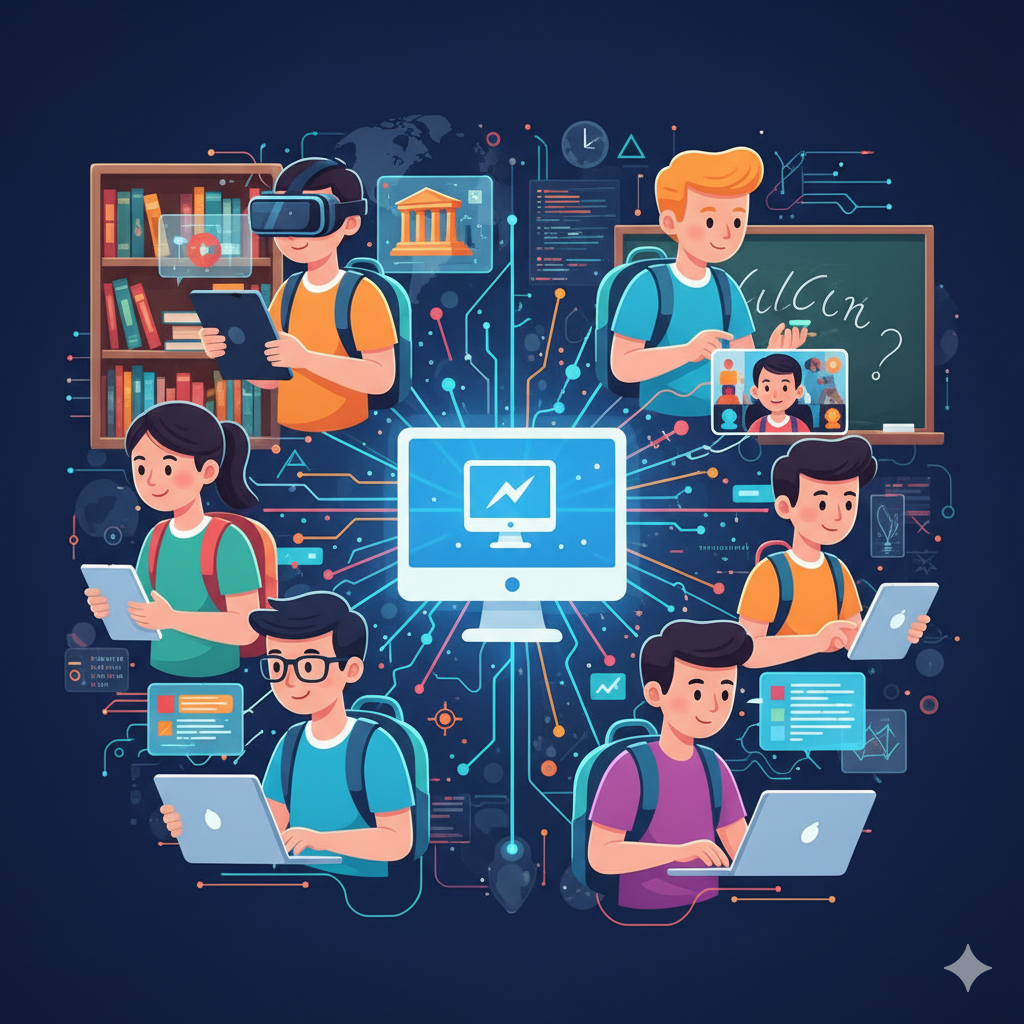
AI Unlocked: The Ultimate Guide to the Future of Intelligence
Artificial Intelligence is no longer science fiction; it is the electricity of the 21st century. But what exactly is it, and should we be worried?
1. What is AI?
At its core, Artificial Intelligence (AI) is a branch of computer science dedicated to creating systems capable of performing tasks that typically require human intelligence. These tasks include recognizing speech, making decisions, translating languages, and identifying patterns.
Unlike traditional software, which follows a strict list of coded rules, AI systems learn from data. They improve their performance over time without being explicitly programmed for every single step.
2. The Three Main Types of AI
AI is generally categorized into three levels of capability:
- Artificial Narrow Intelligence (ANI): This is the AI we have today. It is brilliant at one specific task (e.g., playing chess, recommending movies, or driving a car), but it cannot do anything else.
- Artificial General Intelligence (AGI): This is a theoretical stage where a machine would possess human-level intelligence, capable of understanding, learning, and applying knowledge across a wide variety of tasks. We are not there yet.
- Artificial Super Intelligence (ASI): A hypothetical future where machines surpass human intelligence in creativity, problem-solving, and emotional intelligence.
3. How is AI Beneficial?
AI offers massive advantages that are reshaping society:
- Efficiency: AI never gets tired. It can analyze millions of documents in seconds or work on assembly lines 24/7.
- Healthcare: AI is being used to detect early signs of diseases like cancer more accurately than human doctors and to speed up drug discovery.
- Safety: AI robots can handle hazardous tasks, such as bomb disposal, welding, or working in radioactive environments, keeping humans safe.
- Personalization: It tailors experiences to you, from your social media feed to your music playlists.
4. How to Use AI in Daily Life
You are likely already using AI, but here is how you can actively use it to boost your productivity:
- Writing & Communication: Use tools like ChatGPT to draft emails, summarize long articles, or check your grammar.
- Learning: Use AI tutors to explain complex topics simply or to practice a new language.
- Creative Work: Use image generators for design inspiration or coding assistants to debug your software projects.
- Time Management: Use AI scheduling assistants to organize your calendar and prioritize tasks.
5. Is AI Dangerous?
Like any powerful tool, AI carries risks that we must manage:
- Bias: AI learns from human data. If the data is biased (racist, sexist, etc.), the AI will be too.
- Privacy: AI systems require massive amounts of data, often raising concerns about how our personal information is collected.
- Job Displacement: Automation will inevitably replace certain repetitive jobs, requiring the workforce to reskill.
6. Is it Harmful to Human Skills Development?
This is a critical debate. The answer depends on how you use it.
The Risk (The "Calculator Effect")
If we rely on AI to do everything, our own cognitive muscles may atrophy. If you use AI to write every essay, your ability to articulate thoughts will decline.
The Benefit (Augmentation)
However, if used as a partner, AI can accelerate skill development. Instead of letting AI write for you, ask it for feedback on your writing. Instead of asking for the answer to a math problem, ask it to explain the steps.
Verdict: AI is only harmful to skill development if you use it to outsource your thinking rather than assist your thinking.